


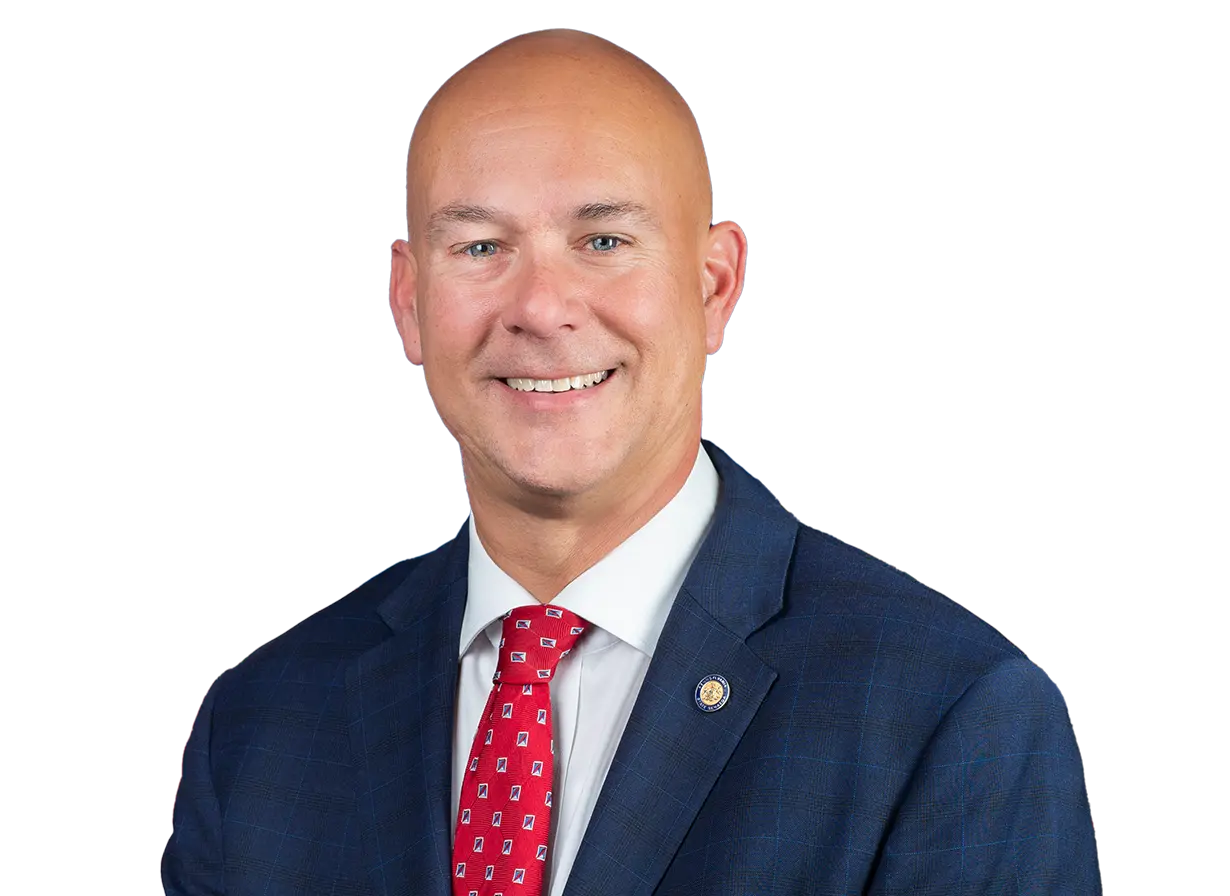

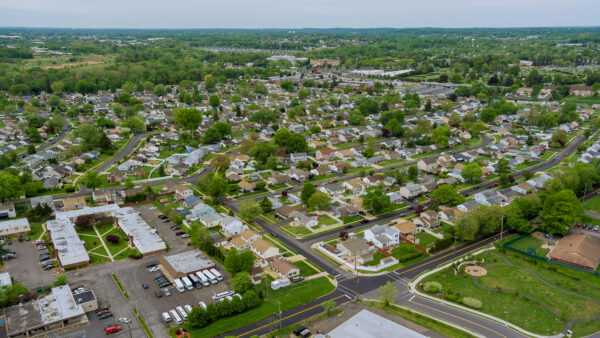
LEMONT FURNACE — Efforts to make housing more attainable for working families were reviewed during a Senate Majority Policy Committee public hearing today. Sen. Pat Stefano (R-32) invited the committee, chaired by Sen. Dave Argall (R-29), to Fayette County to hear from local officials, housing advocates, builders and developers about how state government could combat Pennsylvania’s statewide housing crisis.
“Affordable, attainable housing is essential for the future of Pennsylvania’s workforce and economy,” Stefano said. “Today’s discussion highlighted practical solutions that can help us meet this challenge head-on. By reducing regulatory hurdles and supporting responsible development, we can create opportunities for families to live where they work and strengthen communities across the commonwealth. I’m grateful to all the local officials and industry leaders who testified today. Their insight and expertise are invaluable as we work to craft solutions that truly meet the needs of Pennsylvania families.”
“There is no issue I hear more about from employers and employees than the need for more quality housing options,” Argall said. “Addressing this crisis is going to take collaboration between officials from all levels of government and private partners in our communities. I look forward to sharing the strategies we reviewed today with communities in Schuylkill, Carbon and Luzerne counties.”
Robert Sleighter, president and founder of Sleighter Design, suggested that lawmakers should look at infrastructure partnership programs to help lower upfront development costs as well as allowing adaptive reuse projects, like vacant schools and industrial buildings, to have a more expeditious review. He said, “housing is not failing because there is no interest in building it. It is failing because the process is too long, too expensive and too uncertain.”
Mark Rafail, economic development coordinator for Fayette County, touched on how middle-class workforce housing is vital when discussing how to make housing more attainable in Pennsylvania and suggested the commonwealth look at providing state tax credits, development incentives and bond financing specifically targeted to middle-income housing development.
Dana Kendrick, manager of business, community and economic operations for K2 Engineering, Inc., emphasized housing goes hand in hand with workforce development and economic growth, and the commonwealth must look at investing in attainable housing options. She noted, “if we want to compete for businesses, retain employers and reverse population loss in communities like Fayette County, we must invest in housing that is available, attainable, sustainable and integrated into strong communities.”
Jen Marsh, president and CEO of the Bedford County Development Association, further described how housing shortages can stall economic growth, stating “employers are not asking for tax incentives or subsidies. They are asking for housing so their workforce can live near their jobs.”
Lisa Phillips, director of community services at Tableland Services, reviewed the impact of housing shortages on residents of Somerset County, stating “…we work every day with families who are one unexpected event away from losing their housing — a job loss, a medical bill or a utility shutoff. Housing stability is not theoretical for us. It’s personal. It affects the people we sit across from every day.”
Forming a robust strategy to increase housing supply, lower costs and stimulate economic activity is a key focus for the Senate this year. In January, Stefano teamed up with other senators to introduce legislation combating Pennsylvania’s statewide housing crisis.
Video of the full hearing and written testimony can be viewed on the committee’s website.
CONTACT: Joshua J. Paul